Companies with recurring SARS obligations
VAT, PAYE, provisional and annual returns that need to be right and on time, every cycle.

Now and Next — compliant, then planned
Business tax work covers registration, returns and SARS correspondence for company tax, VAT, PAYE and provisional tax, together with planning that considers the tax consequences of decisions before they are made. SM2 is led by Chartered Accountants and Registered Tax Practitioners, so compliance and advisory sit with the same team that understands the numbers behind them.
SM2 manages the recurring tax obligations of growing businesses and the people who own them: registrations, VAT, PAYE, provisional and annual company tax, and the SARS correspondence that follows. Because the same team maintains the accounting records, returns are built on numbers that have already been reconciled, which reduces query risk. Beyond compliance, SM2 advises on the tax consequences of real decisions — how the group is structured, how profits are extracted, how transactions are handled — so tax is considered before a decision is taken rather than reported afterwards. All positions are based on current legislation and SARS practice at the time of advice.
VAT, PAYE, provisional and annual returns that need to be right and on time, every cycle.
Salary, dividend and loan-account decisions have very different tax outcomes.
Correspondence, supporting documentation and disputes need experienced handling.
Multiple entities and international elements need considered structuring.
Income tax, VAT and PAYE registrations, plus the recurring return cycle on a managed calendar.
Calculations grounded in reconciled management accounts, with no year-end surprises.
We respond to queries, assemble supporting documentation and manage the process through to resolution.
Considering the tax effect of remuneration, dividends, group structure and transactions before decisions are made.
Personal returns handled alongside the company so the whole picture is consistent.
We review registrations, outstanding returns and SARS status to see exactly where the business stands.
Outstanding matters are brought up to date and the compliance calendar is set for the year.
Returns prepared, reviewed and submitted on time, with SARS correspondence handled as it arises.
Regular discussion of upcoming decisions and their tax consequences.
SARS asks the taxpayer to support the figures in a submitted return. The business supplies documentation — invoices, contracts, reconciliations or calculations — through the SARS channel within the period stated in the notice. SARS then either accepts the return or issues a revised assessment, which can be objected to. Good records make verification routine; poor records make it slow and expensive.
A Registered Tax Practitioner is registered with SARS and with a recognised controlling body, and is permitted to advise on tax and complete returns on a client's behalf. Using a registered practitioner means your tax affairs are handled by someone accountable to a professional body as well as to SARS.
Through structure and timing decisions taken in advance: how the owner is remunerated, how profits are extracted, how assets are held, how allowances and deductions the law provides for are claimed correctly. Legitimate planning happens before the transaction. There is nothing to be done after the fact except report accurately.
It usually helps. Tax returns are built on accounting records, so when the same team maintains both, figures reconcile, queries are answered faster and issues are picked up during the year instead of at submission.
Yes. Company and shareholder tax positions interact, particularly around remuneration, dividends and loan accounts, so SM2 commonly handles both to keep the overall position coherent.
They can be brought up to date. We establish the extent of the backlog, prepare and submit what is outstanding, and where penalties or interest have been raised, deal with SARS on remission or payment arrangements as appropriate.
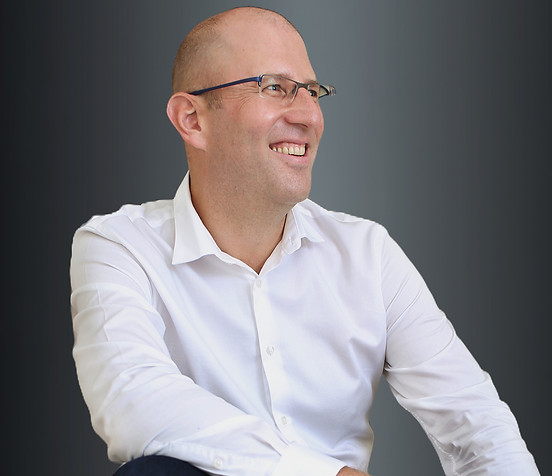
David leads SM2's advisory and CFO work, combining Chartered Accountant training with more than 20 years of senior financial leadership, board-level and commercial finance experience across South African and international businesses. His experience includes financial strategy, governance, mergers and acquisitions, capital raising and helping leadership teams turn complex financial information into practical decisions.
David Stoltz on LinkedInReconciled records are what make tax returns defensible.
Read about accounting & reportingStructure and transaction decisions carry tax consequences.
Read about business advisoryPlan for tax payments inside the cash flow forecast.
Read about cfo & finance leadershipThe free SM2 Business Clarity Review scores your business across six financial-clarity lenses and returns a practical Now, Next and Beyond action plan in about ten minutes.